Home Programs
Our Programs
Building resilient futures for children, youth, and families through comprehensive support.
Our Programs
Litsemba Rising Project
Engaged Youth, Empowered & Inclusive Communities Project
Read@Home
The Voluntary Medical Male Circumcision (VMMC)
Young Women Economic empowerment project (YWEE)
SABELO SENSHA PROJECT
HIV Prevention Life Skills Education in Secondary Schools (LSE)
GO Girls Connect
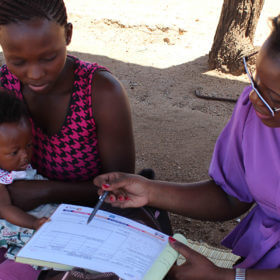
National Case Management System – Eswatini
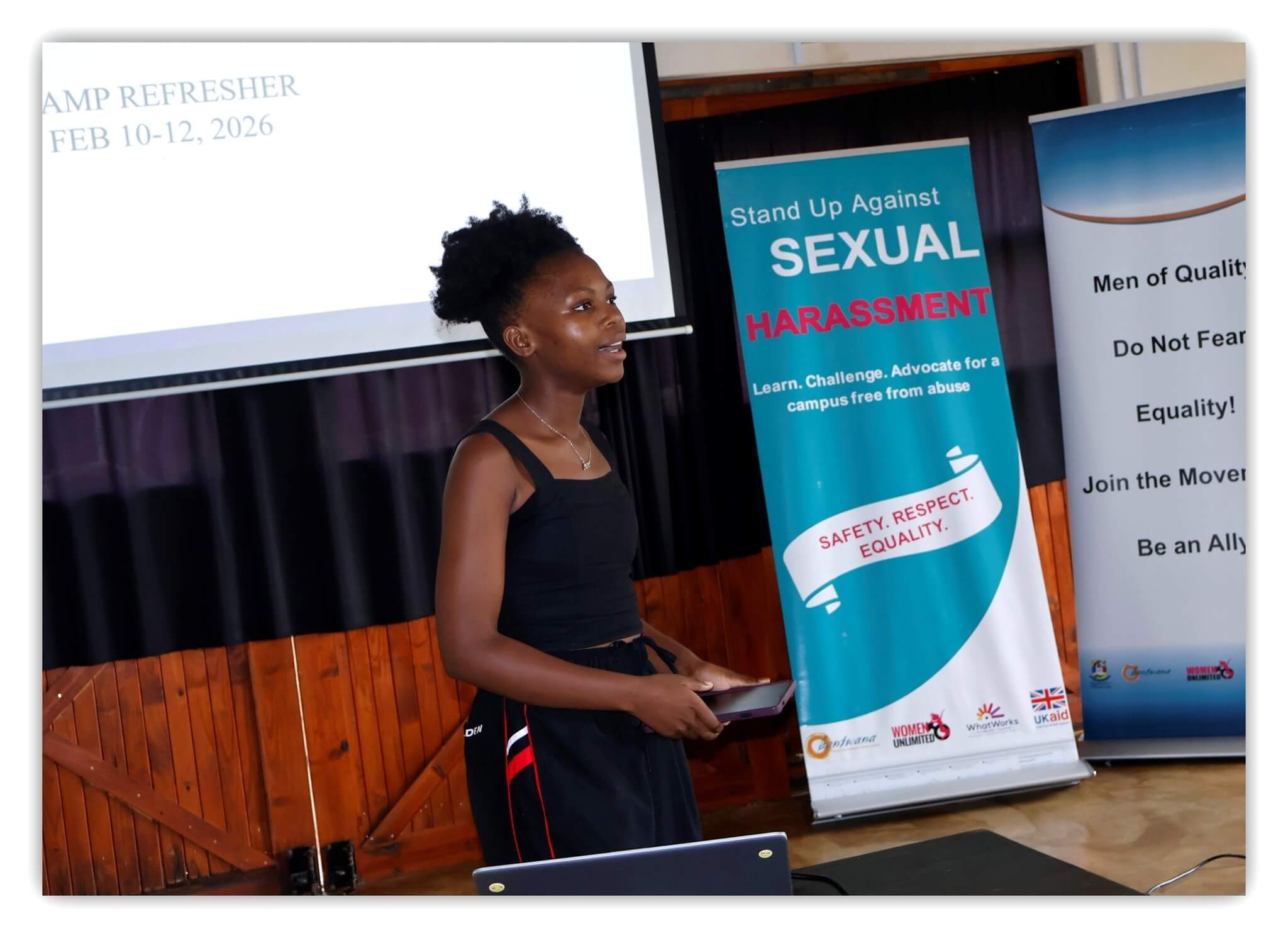
Litsemba Rising Project
The
Litsemba Rising Project is a bold, three-year initiative (2023–2026)
transforming Eswatini’s higher education campuses into safe, inclusive spaces
where vulnerable children, youth, caregivers, and families are protected from
sexual harassment and violence, anchored by the Campus Sexual Harassment
Prevention Intervention (CSHP) and implemented in close partnership with Women
Unlimited Eswatini and the University of Eswatini (UNESWA). Supported by the UK
Foreign, Commonwealth & Development Office (FCDO) through the What Works to
Prevent Violence: Innovation Grants (What Works 2 Programme), Litsemba Rising
tackles sexual harassment and related forms of violence by shifting norms,
policies, and behaviours among students and staff, strengthening institutional
systems, and building a critical mass of trained campus champions. The project
promotes the welfare and protection of vulnerable groups, improves campus
climate, and generates evidence that can be scaled to other Higher Education
Institutions (HEIs) in Eswatini and beyond, with public and private donors
invited to invest in deepening and scaling this systemic change so that every
young person in Eswatini can learn, live, and lead free from violence and
discrimination.
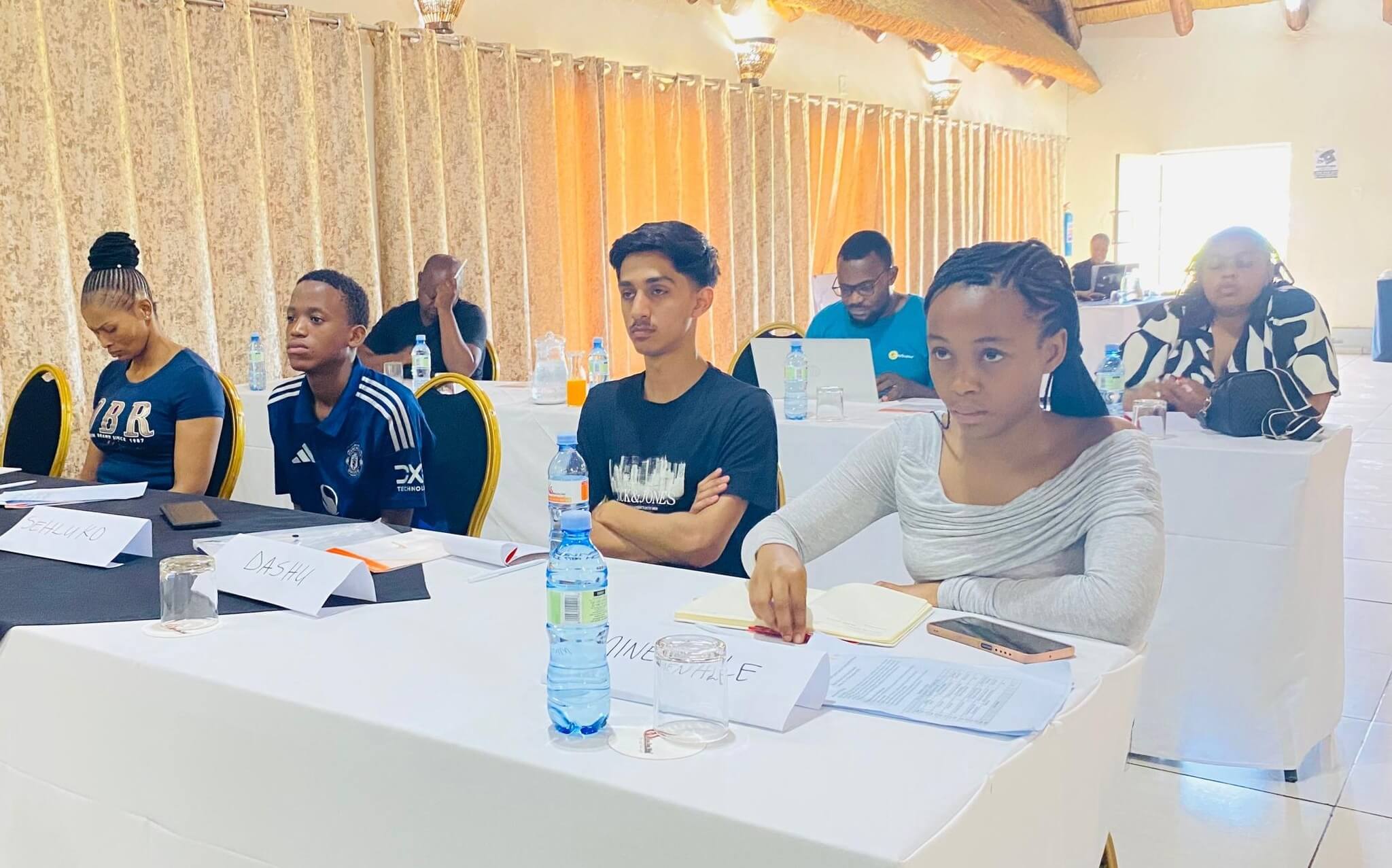
Engaged Youth, Empowered & Inclusive Communities Project
The
Youth Civic Engagement and Governance Strengthening Project (2024–2026), funded
by the Commonwealth Foundation, is a strategic initiative empowering in-school
youth in Manzini’s wards to actively shape local governance by revitalizing and
strengthening existing engagement platforms in close collaboration with the
Municipal Council of Manzini and the Ministry of Education and Training, using
structured opportunities for genuine youth voice rather than symbolic
participation. Through a detailed assessment of current participation levels
and the barriers young people face, the project designs targeted, practical
strategies to foster meaningful, sustained youth involvement in local
decision-making, moving engagement beyond tokenism toward real influence and
co-creation of solutions. A key innovation is a tailored curriculum, co-created
from assessment findings, which builds the civic knowledge, confidence, and
skills of both youth and the Municipal Council, and is reinforced through
ongoing coaching and support so that the learning translates into action,
institutional reforms, and a stronger, more inclusive system for youth civic
participation in the Manzini region, aligned with emerging best practices in
youth–local government collaboration.
Read@Home
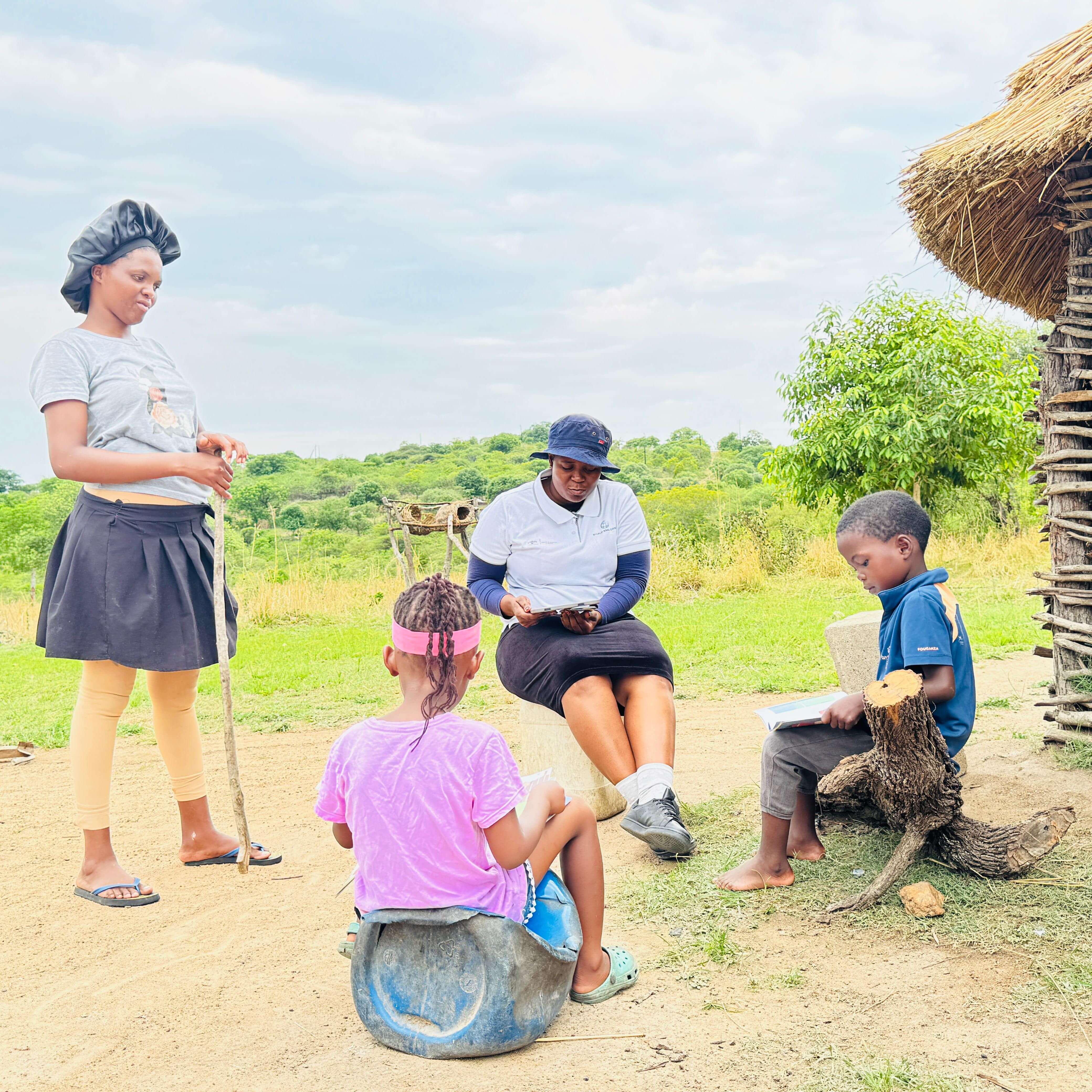
The Read@Home project (2024–2025), funded by the World Bank and implemented in partnership with Eswatini’s Ministry of Education and Training (MoET), is a pioneering pilot intervention designed to transform early learning outcomes by introducing young children to books, empowering caregivers, and fostering rich home reading practices that strengthen school readiness across Eswatini. Grounded in robust global and national evidence showing that early access to books and interactive book-sharing significantly boosts language, cognitive development, and long-term literacy, the project aims to strengthen caregivers’ knowledge, skills, and confidence to support early literacy at home; nurture a sustainable culture of reading and peer learning among caregivers; expand access to culturally relevant, age-appropriate reading materials; promote children’s literacy, language, and cognitive development; and build teacher capacity to integrate literacy in early childhood education settings. Targeting children aged 0–5 years and their caregivers across four Tinkhundla (Maseyisini, Mayiwane, Mafutseni, and Sithobela) spanning all regions of Eswatini, the initiative uses a hub-and-spoke model that connects Grade 0 schools (hubs) with pre-schools (spokes) in seven chiefdoms while also reaching out-of-school children, ensuring that even the most vulnerable families are not left behind. To date, Read@Home has directly benefited 752 children and 610 caregivers, surpassing its original target of approximately 750 children, equipping families with books, tools, and practical guidance to nurture foundational literacy skills and support lifelong learning journeys, marking a major step forward in strengthening early childhood education and community empowerment in Eswatini.
The Voluntary Medical Male Circumcision (VMMC)
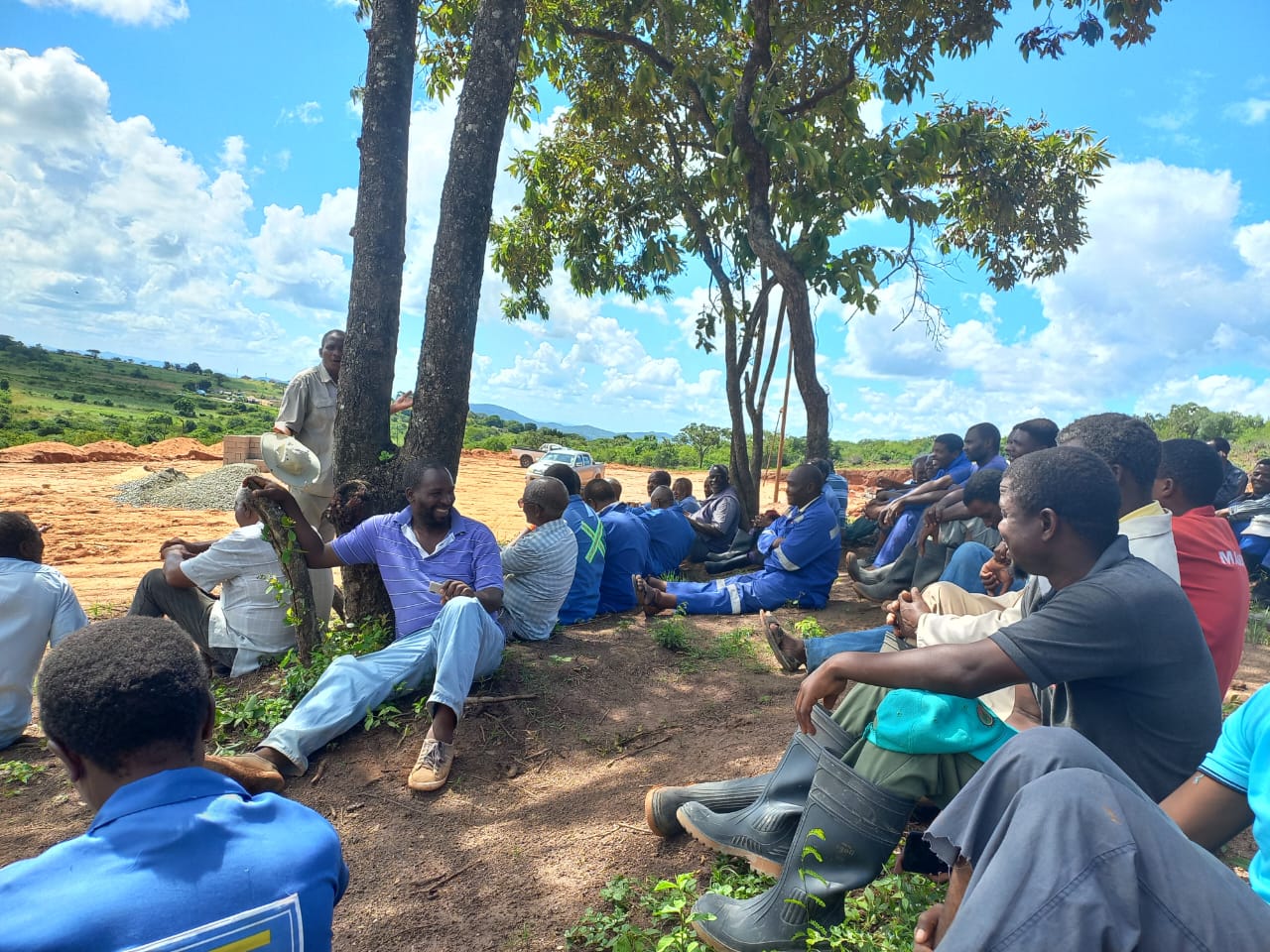
The Voluntary Medical Male Circumcision (VMMC) initiative (2015–2025) is a high-impact HIV prevention programme that connects adolescent boys and men to safe, quality services while building strong community ownership and support across Eswatini’s four regions, contributing to national efforts to reduce new infections through proven biomedical prevention strategies. Supported by leading donors including PEPFAR, the Global Fund, and the CDC, the initiative operates in close collaboration with Eswatini’s Ministry of Health and global partners such as CHAPS, ICAP, EGPAF, PSI Eswatini, and Georgetown University, ensuring technical excellence, sustainable resourcing, and alignment with national HIV prevention priorities. Since its launch in 2009, the programme has targeted males aged 10–49 years, with a strategic emphasis on adolescents and young men aged 15–29, who benefit most from the long-term protective effects of circumcision against HIV and other sexually transmitted infections. Its core approach is to drive demand for circumcision services by addressing access and uptake barriers through intensive sensitization, behaviour-change communication, and targeted mobilization campaigns that respond to local perceptions, myths, and concerns. The initiative engages not only youth and young men, who are the primary beneficiaries, but also parents, guardians, traditional leaders, employers, and other influential stakeholders to build broad awareness, social acceptance, and informed decision-making around circumcision, making VMMC a socially supported and increasingly normalized practice. Implemented across Hhohho, Lubombo, Shiselweni, and Manzini, the programme reaches schools, workplaces, tertiary institutions, and key companies, bringing services and information directly to spaces where young men live, learn, and work. Over the past decade, it has successfully linked more than 10,000 males to voluntary circumcision services, contributing to Eswatini’s HIV prevention gains and demonstrating strong value for donor investments in terms of infections averted and lives protected. A defining feature is its commitment to community ownership: the team partners with rural authorities, actively works to shift cultural perceptions around VMMC, and recruits mobilizers from local communities, which increases trust, participation, and long-term impact. As a trusted multi-regional implementing partner in HIV prevention, the organization continually refines strategies to overcome persistent barriers to service uptake and champions community-led solutions that embed VMMC within local traditions, leadership structures, and health-seeking norms. Donor funding will accelerate this momentum by expanding reach into underserved areas, deepening work with schools and workplaces, strengthening data-driven targeting and follow-up, and scaling community-driven models, so that even more young men can access life-saving prevention services and Eswatini can move closer to an HIV-free generation.
Young Women Economic empowerment project (YWEE)
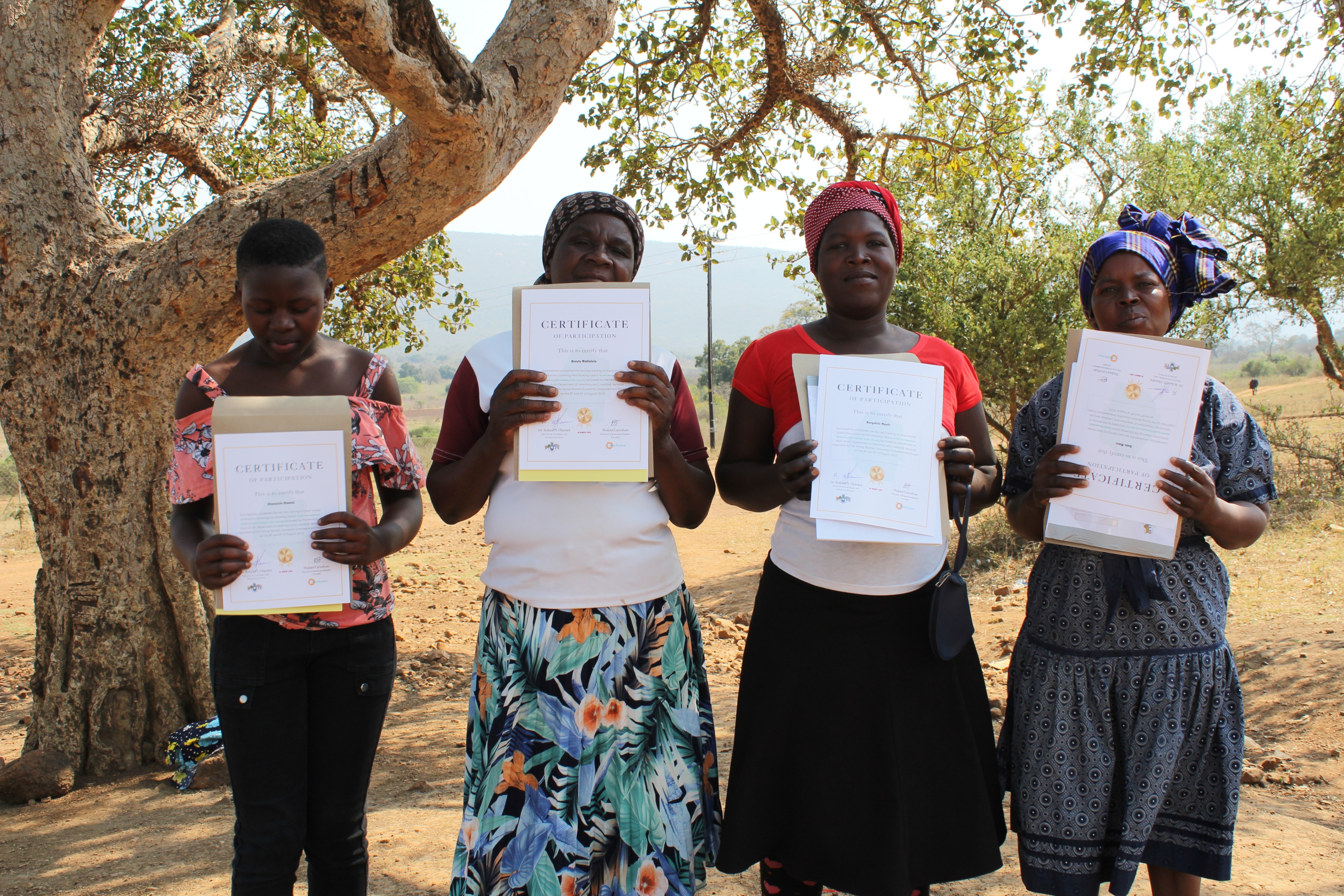
The Young Women Economic Empowerment
(YWEE) project (2022–2023) is a proven, high-impact initiative that strengthens
the economic resilience of young rural women in Eswatini by growing their
agribusiness skills, incomes, and confidence, and it now seeks renewed and
expanded investment from public and private partners to reach more women, more
communities, and deliver deeper, lasting change. The project was designed to
rebuild and grow women-led agribusinesses in the wake of COVID 19, focusing on
young rural women whose livelihoods were severely disrupted by the pandemic,
and was funded by the German Federal Ministry through GIZ with implementation
support from GOPA Worldwide Consultants (GmbH) in close collaboration with the
Ministry of Agriculture.
It operates in eight constituencies across
the Lubombo, Manzini, and Hhohho regions of the Kingdom of Eswatini and has
established a scalable model that can be expanded with additional support. YWEE
empowers young women agripreneurs in horticulture and broiler production
through practical agribusiness training, financial literacy, market access
support, and field-based peer learning, enabling them to immediately apply new
skills in their enterprises. The primary beneficiaries are young rural women
entrepreneurs, many of whom are single or primary caregivers and main income
earners, and by stabilizing and growing their agribusinesses, the project
indirectly benefits vulnerable children, youth, and extended families who rely
on them for food, education, and basic needs.
The initial phase from 2022 to 2023
established the model, partnerships, curriculum, and beneficiary networks, and
with new funding, the next phase can be structured as a three year programme
with clear annual targets for women reached, enterprises strengthened, and
income and employment outcomes tracked over time. To date, over 300 young women
have received comprehensive training, including hands-on field visits and peer
exchanges that build confidence and practical know-how, leading to stronger
business management, improved productivity, better market access, and more
resilient household incomes that contribute to broader socio-economic
empowerment in rural communities.
Public and private partners are now
invited to co-fund the next phase of YWEE—expanding to new constituencies,
increasing the number of women reached, and deepening support with access to
finance, infrastructure, and advanced technical assistance—so that thousands
more women can transform their agribusinesses and break the cycle of poverty
for the next generation.
SABELO SENSHA PROJECT
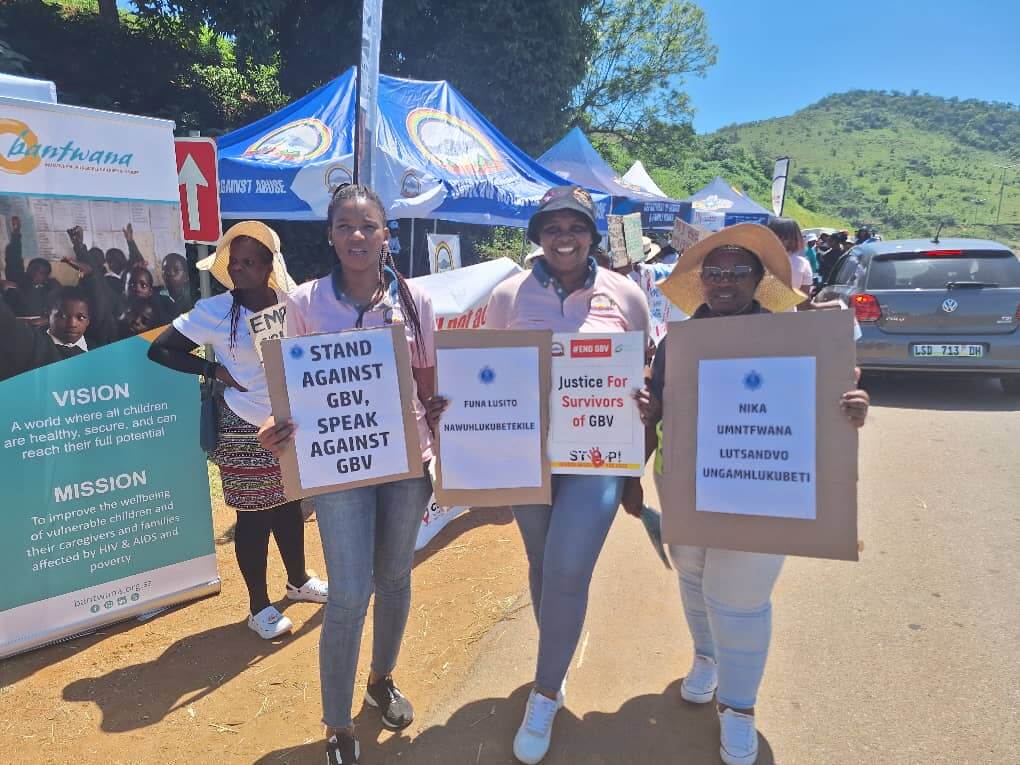
The SABELO SENSHA project, generously funded by PEPFAR, was implemented within
the DREAMS Tinkhundla framework, targeting up to eight Tinkhundla across the
Lubombo, Manzini, and Hhohho regions of Eswatini. This initiative was
specifically designed to enhance the wellbeing of Orphans and Vulnerable
Children (OVC), adolescents, and young women through comprehensive HIV
prevention and support interventions, gender-based violence prevention and
response, and livelihoods empowerment.
In alignment with our mandate
to improve the lives of vulnerable children, youth, and their families, the
project was executed in close partnership with relevant government ministries,
as well as international and local organizations, collectively reaching
thousands of beneficiaries on an annual basis. Implementation was led by
trained professionals with specialized expertise across the program components,
supported at the community level by cadres who engaged directly with
beneficiaries to provide tailored support. The project played a critical role
in ensuring that children remained enrolled in school, received necessary
treatment adherence support, and that vulnerable families and youth were
provided with sustainable income-generating opportunities. Through this
integrated approach, the project significantly contributed to the overall
welfare and resilience of vulnerable populations within the targeted regions.
HIV Prevention Life Skills Education in Secondary Schools (LSE)
This project, generously
supported by our donor partners, was implemented over two years in the
Sithobela and Siphofaneni regions of Eswatini, targeting 1,800 at-risk
adolescent girls. The initiative focused on strengthening educational retention
among school-attending girls and providing alternative education platforms for
adolescent wives and young mothers who have been forced to leave the formal
school system. By addressing key vulnerabilities, the program aimed to enhance
girls’ educational outcomes, increase their social protective assets, and
transform community social norms surrounding girls’ education.
Aligned with our mandate to
improve the lives of vulnerable children, youth, and their families, the core
objectives of this program include:
- Preventing school dropout by using an Early
Warning System that identifies girls at risk and offered proactive
support.
- Enhancing social and protective assets through
the facilitation of Protect Our Youth clubs.
- Providing scholarships to sustain the education
of girls vulnerable to discontinuing secondary education.
- Conducting community sensitization campaigns to
elevate the understanding and value of girls’ education within families
and community structures.
In tandem with prevention
strategies, the program also empowered teen mothers who have exited formal
schooling by delivering non-formal education and mentorship opportunities.
Early Childhood Stimulation training equips young mothers to foster optimal development
for their children, ensuring a positive intergenerational impact. The success
of this initiative was underpinned by strong collaboration with local community
stakeholders, education authorities, and youth-focused organizations, ensuring
a holistic and sustainable approach to breaking the cycle of poverty. By
equipping girls and young women with education and life skills, this program
contributes significantly to reducing their vulnerability to disease, including
HIV and AIDS, and enhances their long-term economic opportunities, ultimately
fostering resilient families and communities.
GO Girls Connect
Supported by key donors
committed to advancing gender equality and youth empowerment, the Go Girls
Connect! initiative was implemented across Eswatini, targeting vulnerable
adolescent girls and young women. The program’s core mandate aligned with our
commitment to improving the lives of vulnerable children, youth, and their
families by fostering digital inclusion, strengthening protective mechanisms,
and promoting gender rights advocacy.
The program leveraged
innovative mobile-based technology to enhance digital literacy and equip girls
with critical life skills, protective assets, and access to resources. Central
to its objectives was empowering young women to effectively challenge restrictive
gender norms, advocate for their human rights, and build resilience against
gender-based violence (GBV).
Key components of the program
included:
- Delivery of 30 evidence-based, human
rights-focused digital sessions through the Protect Our Youth
platform, reaching 1,650 adolescent girls. These sessions aimed to
increase knowledge, boost civic engagement, and strengthen girls’ demand
for and access to their rights.
- Deployment of a self-administered GBV screening
tool designed to trigger an immediate GBV Response Protocol, thereby
connecting survivors to critical post-abuse services efficiently.
- Implementation of a robust Early Warning System,
utilizing a self-administered screening tool to identify girls at risk of
dropping out of secondary school and facilitating timely interventions to
support school retention.
Our partnership with Cell-Ed,
a leader in mobile learning solutions, was instrumental in developing and
delivering this innovative program model. Together, we established a scalable
and evidence-based approach that addresses the digital gender divide, promotes
protective environments, and facilitates access to essential GBV services.
By combining technology,
rights-based education, and comprehensive support systems, Go Girls Connect!
exemplified impactful collaboration that advances our organizational mission to
uplift vulnerable girls and youth, ensuring they can thrive, advocate for their
rights, and build healthier futures.
National Case Management System – Eswatini
The Organization supported by
key development partners, the National Case Management System (NCMS) for
Eswatini was developed in close collaboration with the Department of Social
Welfare (DSW) to establish a harmonized, HIV-sensitive framework for social
welfare service delivery. This initiative targeted vulnerable children, youth,
and their families across Eswatini, with initial implementation focusing on 10
communities within the Lubombo and Shiselweni regions.
The core objective of the NCMS
is to enhance the quality and accessibility of social work services by
strengthening referral pathways and coordination mechanisms among governmental
agencies and civil society organizations. By integrating regional stakeholder
forums and empowering community-based cadres such as Community Case Workers,
the system ensures timely identification, referral, and continuous follow-up of
vulnerable children to the appropriate services, contributing to effective case
closure.
Underpinned by national
policies and statutory regulations, the project successfully developed a
comprehensive national framework, including standard operating procedures, a
Social Worker Manual, and community worker handbooks to support case
management. Capacity building efforts include tailored training programs and a
coaching and mentoring plan to enable DSW social workers' adoption and
sustained use of the NCMS.
Strong partnerships with DSW
facilitated quarterly regional stakeholder forums to improve care coordination
and address implementation challenges. Furthermore, social workers were
supported to train and supervise community volunteers, reinforcing service
delivery at the grassroots level.
Through these collaborative
efforts, the NCMS advances our mandate to improve the well-being and resilience
of vulnerable children, youth, and families by establishing an integrated,
sustainable social welfare system responsive to their needs.
Support Our Programs
Your contribution makes a direct impact. Learn how you can help sustain and expand our vital work.